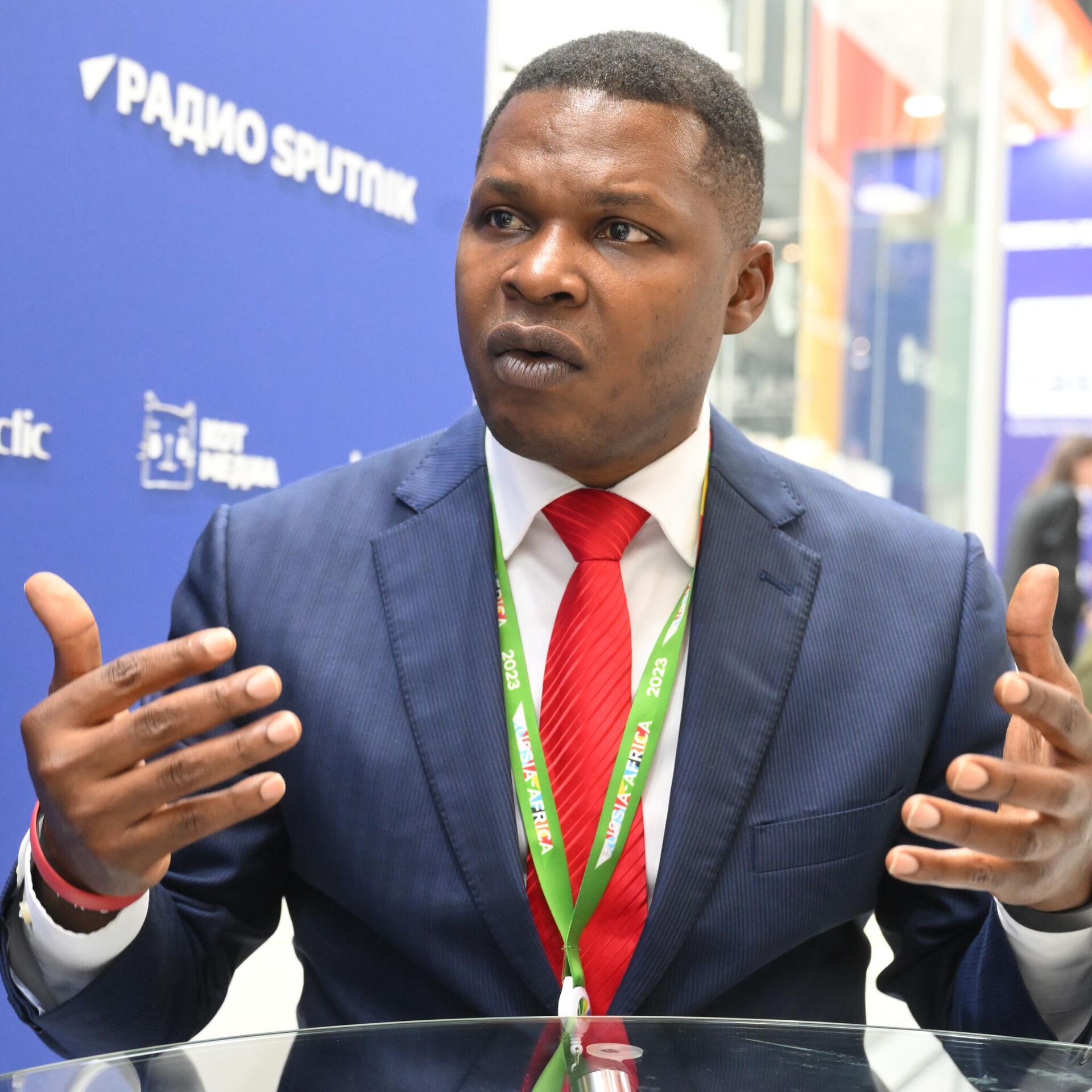
Africa is at a crucial crossroads in terms of its economic and energy development. While Western nations have historically used oil, natural gas and other fossil fuels to fuel their economic and industrial growth, becoming economic powerhouses in the process, a question of equity arises: should African nations deprive themselves of their natural resources in the name of the global energy transition? NJ Ayuk, Chairman of the African Energy Chamber, explores this issue, highlighting the immediate needs and future prospects of African countries when it comes to energy.
Development through fossil fuels
The example of Western nations
Western countries have built their robust economies on the abundant exploitation of fossil fuels. This exploitation has enabled the creation of flourishing industries, promoting economic growth and improved living conditions. Today, these countries enjoy a high standard of living and sophisticated infrastructure. This prosperity is undeniably linked to a period of intensive use of oil and gas resources.
Africa and its resources
Like their Western counterparts, African countries also have vast reserves of oil and natural gas. For many of these nations, exploiting these resources represents an opportunity to lift millions of people out of poverty, improve infrastructure and stimulate the economy. Depriving Africa of this opportunity could hamper its development and keep its people in precarious situations.
Energy Transition: A Choice, Not an Imposition
The Need for Immediate Electricity
The transition to a green economy is a laudable and necessary long-term objective. However, imposing this transition on African countries without taking into account their current energy needs would be unfair. In Africa, access to electricity is crucial to development. Going from "darkness to darkness" by refusing to exploit available hydrocarbons is not a viable solution. People need electricity now to power their homes, schools and businesses.
Energy self-determination
African nations must be able to decide their own pace of energy transition. They can start by exploiting their hydrocarbon resources to meet immediate needs and, at the same time, gradually invest in renewable energies. This approach would ensure stable economic growth while preparing for a more sustainable future.
According to NJ Ayuk, the question of exploiting energy resources in Africa is one of justice and pragmatism. African nations have the right to take advantage of their natural resources to improve the lot of their populations, just as Western nations have done in the past. The transition to a green economy must be an inclusive process that respects local realities. Enabling African countries to develop their energy resources is essential to ensure equitable and sustainable economic growth.